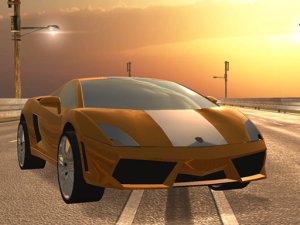
Highway Dash 3D
Reviews
Description
Four Modes, Four Traffic Problems
Highway Dash 3D offers four separate ways to play, and each one changes the traffic you face. In the single-lane mode, the road ahead is your only concern, so passing other cars becomes a matter of timing. The two-way mode adds vehicles coming from the opposite direction, which makes the road more crowded and demands quicker reactions. A time-based mode challenges you to cover the greatest distance before a countdown reaches zero. The fourth mode introduces a pressure meter that decreases if you stop moving, so you must keep driving to maintain your run.
How a Run Unfolds
After selecting a mode from the main menu, you guide your car left or right to change lanes and avoid other vehicles. The controls are simple, but the decisions are constant: watch for cars ahead, judge gaps, and move around obstacles. In two-way traffic, you also need to pay attention to oncoming vehicles. In time attack, the goal is distance before the timer runs out. In the fourth mode, the decreasing meter forces you to keep moving rather than hesitate.
Why the Modes Matter
Traffic patterns change between modes, so each one tests your reflexes and decision-making differently. The single-lane mode rewards careful timing, while the two-way mode demands faster reactions. The time-based mode adds urgency, and the pressure meter punishes stops. This variety makes the game suitable for short sessions or longer play, and it appeals to both casual players and racing fans.
Tips for Better Runs
Practice each mode separately to understand its unique traffic patterns. Stay calm when the road gets crowded, and make smooth lane changes instead of sudden moves. Look ahead to anticipate where gaps will appear. Set small goals for distance or time to track your improvement. Regular practice will help you react faster and drive more efficiently.
Compatibility
Faq
Player Comments
Sign in to comment
You must be logged in before posting a review or rating.
No comments yet. Be the first to comment!








Editorial Notes